What Is Reiki and How It May Impact Your Wellbeing
- otmcrystalhealing
- May 31
- 3 min read
Reiki is a healing practice that has gained popularity due to its potential health benefits and its ability to relieve stress. Although many people have heard about it, getting a clear picture of what Reiki really is can be challenging. This article dives into the origins of Reiki, its key principles, and how it can positively impact your wellbeing.
The Origins of Reiki
Reiki started in Japan in the early 20th century, created by Mikao Usui. The word "Reiki" comes from two Japanese words: "Rei," which means universal, and "Ki," which means life energy. The practice is based on the belief that everyone has an energy that flows through them. When this energy is balanced, people generally experience good health and wellbeing. However, blockages or imbalances in this energy can lead to physical and emotional problems.
Introduced to the West in the 1930s, Reiki has evolved and now includes various forms, blending traditional methods with modern interpretations. According to a 2016 study, about 1.2 million people in the U.S. engage in Reiki or other energy healing practices annually.
The Principles of Reiki
Reiki is built on several key principles:
Universal Life Energy: This principle suggests that energy is vital for life. A balanced energy flow leads to better health.
Healing Intent: While practitioners channel energy, the recipient's mind and body control how much energy is absorbed. Practitioners focus on the client's health to support this process.
Hands-On Touch or Distance Healing: Reiki can be done through gentle touch or remotely, where practitioners send energy from a distance.
Non-Intrusive Treatment: This gentle approach makes Reiki a complementary method alongside traditional medical treatments.
Personal Experience: Each person may react differently. Many report feeling relaxed or experiencing sensations like warmth or tingling.
How Reiki Works
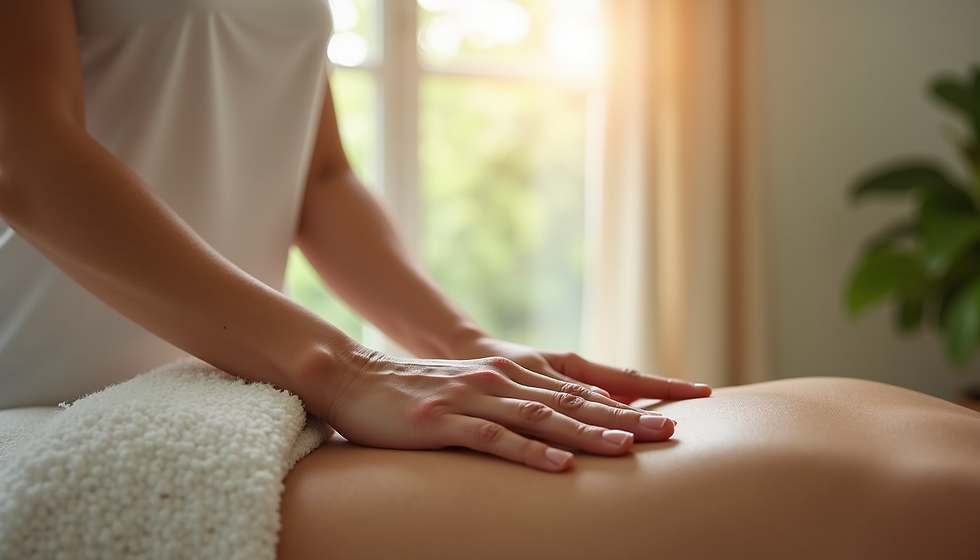
During a Reiki session, a trained practitioner helps energy flow in a calming environment. Recipients typically lie down, fully clothed, while the practitioner lightly places their hands on or near the body.
This gentle touch aims to create deep relaxation and ease both emotional and physical tensions. This can help lower stress levels and boost the body's ability to heal itself.
Different clients may report a range of experiences during a session. For example, some might feel an immediate sense of calm, while others notice benefits such as improved focus or reduced anxiety over a few days.
In a survey conducted by the National Center for Complementary and Integrative Health, about 55% of participants expressed that they felt instantly relaxed after a Reiki session.
The Benefits of Reiki
Many who practice or receive Reiki report a variety of benefits, including:
Stress Reduction: One of the most common outcomes is a notable drop in stress levels. Participants often feel more balanced and at peace after sessions.
Emotional Healing: Reiki is helpful in processing emotions and breaking through mental blocks. Many individuals find it beneficial for managing anxiety and depression.
Pain Relief: While Reiki should not replace medical treatment, some studies reveal that it can alleviate pain. For example, a 2007 study indicated that patients receiving Reiki experienced a 50% reduction in pain scores compared to those who did not.
Enhanced Sleep Quality: Recipients often notice better sleep after sessions due to decreased tension and increased relaxation.
Spiritual Growth: For some, Reiki fosters spiritual development and a greater sense of connection to life and purpose.
These benefits illustrate why Reiki is becoming increasingly recognized in the holistic health community.
The Science Behind Reiki
While Reiki is primarily based on spiritual principles, researchers have started examining it scientifically. Some studies have shown positive results, especially in stress reduction and pain relief; however, others call for more research.
It is essential for individuals interested in Reiki to view it as a supplementary therapy rather than a replacement for conventional medical care. Discussing this practice with your healthcare provider ensures a comprehensive approach to your health.

In our fast-paced world, exploring practices like Reiki can offer a way to find inner peace and maintain balance in your life.


Comments